Building Resilience Part 5: Continual Growth Through Reflection and Action

🔄 Introduction: Growth Isn’t a One-Time Event

If there’s one truth that threads through every post in this Building Resilience series, it’s this: resilience is a practice. Not a skill you check off. Not a trait you’re born with. It’s a daily, evolving discipline—and the strongest form of resilience comes from those who stay committed to growth, even after the storm passes.

In this final installment, we focus on continual growth through reflection and action. Because learning and adapting is valuable—but to stay resilient, relevant, and impactful, we must turn insight into habit and intention into behavior.


🧠 Growth Mindset: We Become What We Practice

Forget “fake it till you make it.” Resilience is not about pretending your way to success. It’s about practicing your way there.

The habits we nurture—curiosity, feedback-seeking, self-awareness—become the foundation for how we respond under pressure, lead through change, and evolve with purpose.

With a growth mindset, we know:

  • Mistakes are part of mastery.
  • Feedback is a gift, not a threat.
  • We are always in process—and that’s a strength.

Each time we choose reflection over reaction or curiosity over criticism, we retrain our response patterns.


🛠 Tools for Continual Growth (From Your Building Blocks)

Your Building Resilience foundation already includes powerful tools—now it’s time to keep using them:

1. Find a Mentor or Join a Mentoring Program

Growth thrives in relationship. Whether it’s a formal company program or an organic mentorship, surround yourself with people who challenge you, expand your thinking, and invest in your development.

2. Do a Values Alignment Check

Your core values are your compass—but even compasses need recalibrating. Regularly ask:

  • Are my current choices aligned with what matters most?
  • What am I prioritizing vs. what I say I value?

Try a quarterly values check-in to realign and refocus.

3. Update or Reaffirm Your Mission Statement

As your experience deepens and your world evolves, your mission may evolve too. Reflect:

  • Does my mission still reflect who I am becoming?
  • Am I clear about the impact I want to have?

Make it visible—on your desk, your planner, your LinkedIn summary. Let it guide your decisions.

4. Maintain and Contribute to Your Support Network

Networks aren’t just built—they’re nurtured. Keep showing up:

  • Offer support to others.
  • Reach out even when you don’t need something.
  • Celebrate, collaborate, and connect regularly.

A resilient network doesn’t just catch you when you fall—it lifts you while you rise.


🌍 The World Is Changing—Are You?

Markets shift. Teams restructure. Technologies evolve. So must we. Staying resilient in a changing world requires a mindset of constant evolution:

  • Observe new patterns.
  • Learn new skills.
  • Adapt your approach.
  • Reflect often—and act accordingly.

Don’t just react to the world—respond to it with intention.


🔁 Reflection + Action = Growth

Reflection without action leads to stagnation.
Action without reflection leads to burnout.

But together? They keep us grounded and growing.

Make it a rhythm:

  • At the end of each week: What did I learn?
  • At the start of each month: What will I practice?
  • Quarterly: What am I evolving toward?

🧩 Final Thought: Resilience Is Your Ongoing Evolution

You’ve learned to know yourself, embrace discomfort, build your support network, and enable your reputation. Now, in this final piece of the series, you’re reminded that resilience isn’t a destination. It’s a discipline.

And that discipline is lived out through:

  • Daily decisions.
  • Consistent reflection.
  • Continuous action.

At Authentic Evolution, we believe growth is never accidental. It’s intentional, layered, and lifelong. So give yourself grace and give yourself space—but above all, give yourself permission to evolve.

This is your evolution.
Your resilience.
And your next chapter starts now!

Building Resilience Part 4: Enabling your Reputation

Photo by fauxels: https://www.pexels.com/photo/group-of-person-sitting-indoors-3184306/

🧭 Success Is Multi-Faceted—but How You “Show Up” Is Within Your Control

Success is rarely defined by one thing. It’s a constellation of experience, relationships, timing, resilience—and yes, how people experience you. In this fourth installment of the Building Resilience series, we focus on something you can control every single day: your brand and reputation.

Your brand is how you communicate who you are.
Your reputation is how consistently others experience that truth.

When aligned, they become one of your greatest professional and personal assets. They shape opportunities, strengthen your voice, and create trust—even when you’re not in the room.

Before credit scores many deals were made based on one’s reputation, your word was your contract. Even in todays world your reputation can precede you before you speak.


🔍 Reputation Is Resilience in Action

From my Building Resilience sessions, we explore how resilience is about more than surviving—it’s about thriving through adversity, uncertainty, and growth. And your reputation is one of the tools that carries you forward, especially when things get tough.

Why?

Because people trust what is consistent. When your values, behaviors, and relationships send the same signal over time, your presence becomes your promise.


💡 What Shapes Your Brand and Reputation?

Let’s break it down into simple, actionable building blocks—many of which come directly from the resilience foundation we’ve already explored:

1. Know Yourself

Your reputation starts with your internal clarity. If you don’t know what you stand for, others will write that story for you. Go back to your core values, your mission, and the beliefs that guide your decisions.

“To understand leadership, you must understand people, and to understand people, you must understand yourself.”
— ICAN Leadership

2. Embrace the Uncomfortable

Growth comes from discomfort. The more authentically you show up in challenging spaces, the more people begin to trust your consistency and rely on your character.

3. Build Your Support Network

No brand thrives in a vacuum. Your support network—advocates, mentors, colleagues, and friends—help reinforce your reputation in rooms where you may not have a voice yet. They see your work, witness your values, and help others see them too.

4. Show Up Intentionally

You shape your brand every time you:

  • Join a meeting.
  • Post online.
  • Lead a conversation.
  • Deliver on a project.
  • Offer help (or don’t).
  • Handle pressure.

Your brand is not your logo—it’s your behavior.


🎯 Action Steps: How to Enable Your Reputation

Here are some tangible ways to cultivate a brand that supports your resilience and reflects your values:

  • Create a mission and passion statement. Write one sentence about what drives you and what impact you want to have.
  • Align your actions. Do your follow-through, tone, and choices reflect that mission?
  • Audit your digital and in-person presence. Are you consistent across platforms, meetings, and casual conversations?
  • Ask for feedback. Check in with trusted colleagues or mentors—how do they describe you?
  • Pay it forward. Be an advocate for others. Reputations are reinforced by how we lift people up—not just how we shine.

🧩 Final Thought: You Are Your Best Asset

Reputation is not about perfection or performance. It’s about presence. It’s about how people feel after they’ve interacted with you. And that, above all, is a powerful resilience tool.

At Authentic Evolution, we believe success stems from showing up in alignment with who you truly are—and allowing that truth to be seen, trusted, and amplified.

So take ownership of your story.
Let your values lead.
Let your network reflect your light.
And let your brand become the vehicle that carries your resilience forward.


Stay tuned for Part 5: Continual Growth Through Reflection and Action
Because the journey to your authentic self is never a straight line—it’s a powerful evolution.

Building Resilience Part 3: Building your Support Network

In the previous post we talked about embracing the uncomfortable and letting that lead us towards growth. On our journey it is important to identify the people that can help us achieve our goals both personally and professionally and that is what we are going to dig into today.

In both life and leadership, we are guaranteed one thing—change. Whether it’s a personal curveball or a professional pivot, resilience isn’t just helpful; it’s essential. But resilience doesn’t flourish in isolation. It grows in community, especially when we surround ourselves with people who support, challenge, and champion us. That’s why building a personal support network—intentionally and authentically—is one of the most powerful investments you can make in your growth.

What Is a Support Network?

Think of your support network as your personal board of directors. These are the people who advocate for you when you’re not in the room, who protect your reputation, and who speak your name in spaces you’ve yet to enter. They help you bounce back from setbacks, and they remind you who you are when self-doubt creeps in.

Your support network should be multi-dimensional—both personal and professional—because your growth doesn’t happen in silos. It includes the trusted friend who listens without judgment, the colleague who gives honest feedback, the mentor who sees your potential, and even the rising star you’re mentoring in return.

Why It Matters for Resilience

As I shared in my Building Resilience series, navigating life’s curveballs takes more than grit. It takes connection. True resilience is the ability not just to withstand hardship but to adapt, learn, and thrive—and it’s much easier to do that when you’re not doing it alone.

When things get hard—and they will—your support network becomes a lifeline:

  • They offer perspective when you feel stuck.
  • They remind you of your strengths.
  • They help you realign with your values.
  • They challenge you to keep moving, especially when you want to retreat.

And just like your journey, your network should evolve.

Let Your Network Grow With You

You are not the same person you were five years ago—and your support network shouldn’t be either. As your goals change, your needs will shift. It’s okay (and necessary) to continually assess who’s in your corner:

  • Who truly sees and supports you?
  • Who helps you grow without judgment?
  • Who challenges you to stay aligned with your values?

Just as important: Are you that person for someone else?

How to Build Your Network—Authentically

Start with intention:

  • Learn about yourself. Know your values, your strengths, and your growth areas. Self-awareness is the foundation of strong relationships.
  • Embrace the uncomfortable. Growth rarely happens inside your comfort zone. Attend the event. Introduce yourself. Reach out for coffee. Keep showing up.
  • Participate with purpose. Join ERGs (Employee Resource Groups), mentoring programs, or community initiatives that align with your passions and goals.
  • Stay consistent. Your reputation is built by how you show up—consistently, authentically, and with integrity.
  • Offer value. Support networks are reciprocal. Be the kind of advocate you hope to find.

Final Thought: Resilience Is Relational

At Authentic Evolution, we believe becoming your authentic self is a journey of both inner and outer work. Building and maintaining a strong support network is an act of resilient leadership, whether you’re navigating personal growth, a career shift, or something unexpected.

Let your people grow with you. Let yourself outgrow what no longer fits. And remember: resilience doesn’t mean going it alone. It means having the courage to reach out—and the wisdom to let others in.

Building Resilience Part 2: Embracing the Uncomfortable

Life is full of unexpected twists and turns. From career challenges to personal setbacks, we’re constantly faced with situations that test our ability to cope and adapt. While we can’t control the curveballs life throws our way, we can control how we respond to them. That’s where resilience comes in.

In our previous post, we explored the importance of self-awareness in building resilience. Today, we’ll explore another crucial component: embracing the uncomfortable.

Why Do We Feel Uncomfortable?

We often feel uncomfortable when:

  • Our morals or values are challenged.
  • We feel the need to defend ourselves.
  • The risk or consequence is greater than our current limits.
  • We have limited knowledge or experience.

If you have not had a chance to complete self-reflection on which values are most important to you. Consider completing an exercise like the one here, to help first understand where your conflicts may arise. https://thewellnesssociety.org/wp-content/uploads/2022/11/Values-Worksheets.pdf

Why is it Important to Embrace Discomfort?

Discomfort is a natural part of life. Whether it’s facing a difficult conversation, stepping outside your comfort zone, or dealing with unexpected challenges, discomfort is an inevitable part of the human experience. These difficult situations can help us grow, better face adversity, and develop more empathy and compassion if we approach them in the right way.

Some realistic scenarios you could encounter are below. Take a few moments to think through one using the steps and exercise below. Do you feel different about the question when you are done?

Someone just coached or provided feedback and you’re feeling overly defensive, now what?

You were just cornered about a comment you made in a panel discussion; how do you handle it?

You offered a solution on a call and were ignored, spoken over, and the conversation continued?

Walking into the leaders meeting you notice you are the only woman in the room…

Your entire Business Unit is getting relocated, how do you manage it with your team…

How to Embrace Discomfort

Embracing discomfort isn’t always easy, but it’s a skill that can be developed. Here are some strategies to help you navigate uncomfortable situations when they happen:

  1. Pause and Reflect: When you feel uncomfortable, take a moment to pause and reflect on the situation. What is causing your discomfort? Is it a fear of failure, a conflict of values, or something else? When you can say it aloud, it doesn’t have as much power.
  2. Seek Guidance: If you’re struggling to understand or navigate your discomfort, seek guidance from a trusted mentor, coach, or therapist.
  3. Engage with the Situation: Once you’ve taken the time to reflect and seek guidance, it’s time to engage with the situation. This may involve having a difficult conversation, addressing a challenge, a set of actions, or adjusting your goals.
  4. Repeat: Embracing discomfort is a process, not a one-time event. It may take time to develop the skills and mindset needed to navigate uncomfortable situations.

In the Pause and Reflect stage there is an activity you can complete anywhere. I call it the Three Person Exercise.  You will

  • Create 3 index cards or papers with the Labels: Me, Them, Neutral Third Party.
  • Stand on the Me card and state the situation. What happened? What are you feeling? Why is it bothering you?
  • Now, physically step to the “Them” card/space. Now you are going to state the situation again but in a way that tries to account for the situation from their perspective.
  • Repeat again after stepping into the neutral third-party view. Now you will try to take both perspectives and look at it as if you were someone from the outside looking in.  

This is not easy exercise, but it can help you recognize why you were uncomfortable. It could be the situation didn’t’ align with your values. While you might not agree with what happened, you may feel less discomfort by realizing why the other person took the actions they did. That allows for the  3rd party view to help you determine opportunities on when, how, or if the situation needs to be addressed, or if it becomes a learning opportunity for you in future interactions.

Overcoming Emotional Hurdles

It is important to recognize that emotions can be a significant barrier to embracing discomfort. Acknowledge that you are human, and that emotions are natural. Give yourself grace and time to process your feelings before moving forward. This is the purpose of the Pause and Reflect action.

Remember:

  • Discomfort is normal: Everyone experiences discomfort at times.
  • Embracing discomfort can lead to growth: Stepping outside your comfort zone can help you develop new skills and become a more resilient person.
  • Seek support: Don’t hesitate to seek guidance from others if you’re struggling to cope with discomfort.

In our next post, we’ll explore the importance of building a strong support system as part of your resilience journey. Stay tuned for Part 3 of our Building Resilience Series.

What are your thoughts on embracing difficult situations? Share below.

Building Resilience Series Part 1: Learning About Yourself

Life is full of unexpected twists and turns. From career challenges to personal setbacks, we’re constantly faced with situations that test our ability to cope and adapt. While we can’t control the curveballs life throws our way, we can control how we respond to them. That’s where resilience comes in.

Resilience is the ability to bounce back from adversity. It’s about developing the mental and emotional strength to navigate life’s challenges with grace and determination. But where do we start? The first step is understanding ourselves.

Knowing Yourself is Half the Battle

Just like any successful project, personal growth requires a solid foundation. That foundation is self-awareness. To build resilience, we need to understand our strengths, weaknesses, values, and beliefs. It’s about identifying our patterns, triggers, and coping mechanisms.

How do we learn what to work on?

One way to learn what to work on is to take a personality assessment. There are many different assessments available, but some of the most popular include the Myers-Briggs Type Indicator (MBTI), the Enneagram, and the Insights Discovery personality profile. These assessments can help you to identify your strengths, weaknesses, and blind spots.

Once you have identified your strengths and weaknesses, you can start to develop a plan for personal growth. This may include taking on new challenges, learning new skills, or seeking out mentors or coaches. Do not be afraid to identify a life coach or counselor to help you on this journey.

What are your blind spots or limiting beliefs?

Everyone has blind spots or limiting beliefs. These are things that we are not aware of that can hold us back from our full potential. Some common blind spots include:

  • Thinking that you are perfect: No one is perfect, and everyone makes mistakes. It is important to be able to learn from your mistakes and move on.
  • Being afraid to fail: Failure is a natural part of life. It is important to be able to learn from your failures and move on.
  • Not believing in yourself: You need to believe in yourself in order to succeed. If you don’t believe in yourself, it will be difficult to achieve your goals.

I myself have dealt with the latter 2 at different times in my life.

If you are not sure what your blind spots or limiting beliefs are, you can ask a trusted friend or family member for feedback. You can also take a personality assessment or talk to a therapist or counselor.

Once you have identified your blind spots or limiting beliefs, you can start to work on overcoming them. This may involve challenging your negative thoughts, setting realistic goals, and seeking out support from others.

Remember:

  • Everyone has blind spots or limiting beliefs.
  • It is important to be aware of your blind spots and limiting beliefs so that you can work on overcoming them.
  • There are many resources available to help you identify and overcome your blind spots and limiting beliefs.

Fake It Till You Become It

You’ve probably heard the phrase “fake it till you make it.” While it might sound counterintuitive, there’s some truth to it. By acting like the person you want to become, you can gradually develop the qualities and behaviors associated with that person. Over time, these behaviors become ingrained, and you’ll eventually embody the person you’ve been striving to be.

In the following posts, we’ll delve deeper into the process of building resilience. We’ll explore strategies for overcoming challenges, developing a growth mindset, and cultivating a support system.

Remember, building resilience is a journey, not a destination. It’s about progress, not perfection. Be patient with yourself, celebrate your small wins, and most importantly, keep learning and growing.

Stay tuned for Part 2 of this series!

What are your thoughts on self-awareness and resilience? Share your experiences in the comments below.

Building Resilience Series: Navigating life’s curve balls

The Oxford dictionary defines resilience as:

  1. the capacity to withstand or to recover quickly from difficulties; toughness.

“the remarkable resilience of so many institutions”

 2. the ability of a substance or object to spring back into shape; elasticity.

“nylon is excellent in wearability and resilience”

If there is one thing, we all know, it is that change, and difficult circumstances are something life throws at us every day. Whether it is at work, or in our personal lives, one of the most important and energy consuming efforts is dealing with these curve balls.

There is no Life 101 guidebook, as much as we wish there was. Our option is to learn by seeing and doing. It is one of the main reasons that leadership trainers are now talking about building and diversifying your ‘filing cabinet’. The filing cabinet comprises everything you have seen, heard, experienced, done in your life to date. Exposure to different and conflicting situations expands your thinking, and in turn can give you different views if your mind is open.

If life’s obstacles are out of our control, what then can we do to put some power in our grasp to handle situations and not just be, but feel more resilient and empowered? I took some time to think about what the behaviors, actions, and thoughts were that I have used when dealing with my own issues and trauma’s.

Whether it is work or life, most of the concepts we apply to work programs and projects can be applied to ourselves as well.  Over the next few posts, we will dig into:

  • Learning about yourself
  • Embracing the uncomfortable
  • Building your support system
  • Enabling your brand & reputation
  • Continuous improvement

I cannot remember if it was a Ted talk, or a leadership course at this point, but I once heard, “It is not fake it until you make it… It is fake it until you BECOME it”. Never had I heard something more accurate. To fake it you must emulate some skill, action, or behavior, and over time if you are repetitively doing those behaviors; you are practicing them. At a certain point that practice becomes a part of you, until at some point in time you no longer have imposter syndrome. You are no longer “faking it”, you are doing it!

I hope that sharing what I have learned in this upcoming series will help you on your journey to becoming a more resilient, more authentic leader in your life, and in your career.

Until next week,

Mroy

At a high level this series of posts will include:

Learning about yourself

    There is no change without knowing what needs to be fixed. What opportunities/challenges do you need to overcome? Do you have blind spots, or limiting beliefs? How do we find out what these things are?

Embracing the uncomfortable

              When you feel uncomfortable after hearing or learning information, what do you do? Feeling overly defensive when receiving feedback, how do you navigate that? In this section I will share examples of times when I have met similar situations and what I have learned.

Building your support network

              Find your support group. Finding people to be a part of your support group is different than networking. There may be some individuals who overlap, but in this blog section we will learn about the difference in those who support “YOU” versus those that support “YOUR WORK”. Who is your advocate when you aren’t in the room?

Enabling your brand and reputation

              Two of the largest factors in outward success are your Brand, and your Reputation. In this post we will talk about what is within your control and how to arm yourself with these two things. When partnered together this is how you ‘Show up’.

Continuous Improvement

              When we learn something, it is not usually one and done, we must continually tend to the behavior and practices that help us grow. The landscape around us is always changing with new and different challenges. What do we do to ensure that we remain relevant and continue to grow?

Check back next week for the “Learning about yourself” post.

Prioritizing myself to heal

https://www.science.org/do/10.1126/science.caredit.aav6903/full/worldmentalhealthday_16x9.jpg

Over a year ago I wrote about how I was going to invest in myself and not get caught up in allowing work to take over the majority of my life again. I am here to say that with all best intentions… that did not happen.

The first thirty days. I had planned to bring a diverse set of activities and interests back into my life along with work, but deadlines and expectations brought me back into my driven and perfectionist mind.  There I was back to Volleyball and work. Did I work less hours than before my leave?  Yes, but I filled them with what seemed like the only available thing with covid still in play… volleyball. I love my volleyball, it saved me from certain mental demise at that time, but there is so much more out there.

There I was… back to work from my leave and going into the last session of my defining leadership class. The exercise given to us was… If you were to die tomorrow, what would your obituary say? Want to talk about hitting hard and fast for someone who just over a month earlier almost may not have been on this planet! The instructors knew what had happened, and they told me I didn’t have to participate, but I don’t back down from my obligations.

My immediate response to what others would say about me was “She was a hard worker and loved playing volleyball”. I can tell you I was no where near happy with that. What had happened to me? Even without the trauma… how had I become so mundane? So, I lost it in a fit of tears. Seriously, what about the real me? If things had not worked out the way they did that night, would anyone here that knew me in that last 9 years know anything else, other than that? What about all the other things under the surface that I hadn’t been able to spend time with while I worked towards what I had now. It was a vivid realization.

4 months later the love of my life, my dog, my fur baby Maggie died unexpectedly overnight. They believe it was due to a heart attack or embolism. She would have been 10 this year.

At this point, I hadn’t healed from my previous heartbreak because I threw myself into work to ignore the pain. Covid and major projects had me working crazy hours with no more dog to let out and walk away from the pc. I had been attempted to be car jacked at gunpoint by four young men, and now had my soul shattered with the loss of my best fur friend that had been there with me through it all.

Heartbreak. Burnout. Trauma. Loss.

Each one is bad enough on its own but healing through all of them is a fate I would wish on no one.

The first step was to admit I was destroyed. I was broken and had to accept it. I didn’t know what grace for myself was. I was grateful to be alive, yes, but what else was there? As adults it feels like we get stuck in this wheel of all the things we have to do. Some achievement for being a completionist (gamer term) that does not really exist in life.

Thanks to the help and support of my friends, family, my trauma therapist, the volleyball community, and even my leader at the time; I was surviving through everything, but not thriving. I was quick to anger instead of my normal patient self, I was annoyed and didn’t want to deal with people willing to give less than their best, or who didn’t get it. I just wanted things to go back to how they were before.

How could I be so successful yet feel so alone and miserable wondering what it was all for?

Then the curveball came. “Let’s build our core team in NJ”. Normally, it would have been a welcome potential opportunity, but with the 4 areas of mental contention in my life I could not and did not want to leave this space. That had its own dilemma’s. I had worked so hard and achieved more than I thought possible but now to move… again…back to the cold. It was the knife that broke the mental thread that was left.

I did what I should as an open, successful professional. I talked about the relocation package, what the future looked like, but it just wasn’t enough to overcome the emotional disaster inside of me. My normally rational brain just could not accept or justify it. I needed to be where I felt safe, and in control. My mentor told me to ask the normal questions “Was the opportunity and the company worth picking up and moving for?” “If I did move, could I knock it out of the park and show what I could do?”  While the answer to both was Yes, I still couldn’t get my mental feet to move forward… No, I had to shut this down. At the same time after 2 years of working from home and 3 years at such a fast pace, did I even want to continue what I was doing? I was good at it yes, but was I fulfilled? My options were to work from home and continue in my role with limited growth opportunities or pick up and move to continue growing with my company in New Jersey. Neither felt right. I found a 3rd door and it wasn’t an easy one to open emotionally.

I chose to put myself on a list. I laid myself off. It was the hardest decision I’ve probably ever made. I changed my mind several times during the 7-month handoff period, but as I sit here writing this after having a trauma trigger this morning, I know it was the right choice. I may be good at what I do, but if I am not good for myself then I cannot be @ my best for others.

I am re committing to the reason I made this blog. I aim to be more consistent in posting and in sharing this vulnerable journey. There are so many things to share, and I hope you will come along for the ride as I breakout some of the things mentioned here, along with whatever is to come.

The “Nature” of You

Mroy Hanging Rock State Park, NC

I recently experienced a very traumatic incident. The mental and emotional intensity was such I had to swallow my pride, invest in my own mental health, and take a leave of absence from my work. The first week away I was still very emotional, and I felt guilty leaving my teams with so much to do. I watched tv, cried, read books, watched more tv, played some volleyball, ate what I wanted. I invested in myself; something i realized, that we Corporate America type just do not do. Its also something that strong independent people do not often do either.

I started to realize that for most of my life it has always been about other people. What were their expectations, how did they expect me to act, what needed to be done to keep the peace. I had no clue what “I” wanted. So I set myself a goal. I will do something I had been wanting to do since I moved here and never did. These were by no means excursions that were going to be life changing… or so I thought at the time, but I saw this mountain on a tv show and it looked fantastic. Given recent events there was NO WAY I was going to go alone, so I phoned a friend to ask for help ( something I am also really bad at ). We set a date and off we went. Hindsight being what it is, hiking that mountain was the turning point for me. Being in Nature really grounded me, it made me think of home and all the mountains and trails I had access to, I felt more like ME than I had in a while. Standing out on that peak I let the wind blow into me as it if was giving me new life and breathing for me. I looked at the rocks with my geologic mind I haven’t thought of in years, I stared into the open view realizing just how big the world is.

Climbing that mountain the effort was exchanged with power and energy. It just so happened that the following Monday right before next therapy appointment that my Costco Connection magazine arrived in my mailbox. The cover was a hiker with mountains and an Article called Natural Remedy. Now very intrigued I open to the page it said and thumbed through the article. I will say there is still something about turning the page on physical media that is just so much better than eBooks. The Author Wendy Helfenbaum wrote things like “Vitamin N”, and “A prescription for outdoors”, but what caught my attention was the man sitting in front of the clock and next to it a title “Time in nature”. It listed how each dose of specific outdoor time impacted your health. Another article i came across somewhere talked about how the author underestimated how good they would feel spending time outdoors exercising each day. 

As I finished my Leave of absence, I knew that it would be really easy to get caught up in the chaotic covid work from home wheel again, and vowed, especially my first week back I wouldn’t let it happen. I set up my schedule so that I would either have volleyball, or go for a walk after work every single day for a week. Well its actually been a week and a half and I can say beyond a shadow of a doubt I feel better than I have in a year. On Monday I was 2 miles in and saw a rabbit, I stood there and watched that rabbit eat grass for probably 10 minutes. It was cautious to know where I was at all times but satisfied to just do what it wanted and eat grass, my stress drifted, and then every creature I saw after that, Bird with a worm, squirrels running up a tree, another bunny family, all made me smile with no one around. I have begun to crave nature so much that I put on my rain jacket to go out yesterday, and it’s just amazing how green and how fresh it smells in the rain.

We all know that money and success do not buy happiness and that it comes from within. Just maybe… absorbing nature into our routine is probably is what the doctor should order. My advice… the best investment is in you. Grow that portfolio in nature.

Regards,

Mroy

Quality Time

Photo by Pixabay on Pexels.com

In the last post I talked about Quality investment. We discussed how Culture, accountability, and expectation affect the outcome of what we do. Today I want to dig into something a little less obvious.

A few weeks ago on my way to NY I sat next to this man who asked me what I did for a living, and it sparked a longer conversation between us. He randomly asked me what I thought mattered in life. My answer was experiences. He looked at me and said I was an “odd one”, well we knew that already! He said most of his clients tell him Work and Family. I responded that great experiences include work and family. He conceded my point, but then he asked me what surrounded all those things. Can you answer that? I thought long and hard and said I couldn’t come up with anything. What was his answer?

Time.

It hit me like a train as he went on to explain that time is limited, so what are we going to do with it? He sparked a whirlwind of thoughts in my mind. Time… that one word is just so massive, yet it is limited. 

After I had a minute to digest this, I asked the man, “You mentioned clients, what is it that you do?”. Since we hadn’t come back to it yet and he knew what I did, it was a fair question. He tells me he is an Executive coach. He was the CEO of a few different companies, and now he has moved into the world of coaching. If I was not already thinking about the topic of time… It now had even more weight.

In the world of business, we move fast, we must because new ideas are popping up all the time. Customers want the latest and greatest and businesses need to give it to them to keep making profits. A vicious circle, but a required one. So how can we make time work for us?

I’ve seen articles a mile long offering ways to; improve time management, or here are the 5 things the most successful people do. I am not going to offer advice, I am going to talk about my thoughts. 

So, time is short. The real question is, what do you want to do with it? 

Your answer, whatever it is, is what we refer to as quality time. Contrary to belief you can have quality time at work. If you believe in what you are doing and constantly work at it, then you are making yourself better, potentially even the people around you. That is quality time to you. Who knows, it could have ripple effects into your personal life. Some of my greatest epiphanies happened at work. Heck, the idea to pose these questions came from a work trip. We spend so much of our time at work that we need to be purposeful in what we do with our time.

For me, I love Quality, Agile, and Client experience, get me talking about it, and the only time you will see me smile brighter or be more passionate is when I am spending time with my family. Warren buffet even talks about the importance of how we treat ourselves, and time is ours to control. Embrace the time you have, spend it wisely, give it quality attention, and enjoy it! 

How will you spend your quality time?

Quality Investment

Photo by Joshua Woroniecki on Pexels.com

We all know you can’t go back in time to change things. It is also true that the methods and expectations in the world are changing rapidly. We see articles about Employee Value Proposition (EVP), open workspaces, all this modern terminology, and happy people working for some of the companies we admire… yet… in many businesses all we hear is complaining and phrases like well that’s not my job, or that’s not agile, or that’s not how we have always done it. When you look at those companies’ visions, promises, and goals; they desire the same things as the companies that we consider admirable, so what is missing?

Quality

Accountability

Culture

Let’s take a minute to break these down.

Quality – Is defined as a Character or nature of Excellence, superiority, or something having essential or distinctive characteristics or attributes. That’s a pretty heavy load to carry. It also explains why when we ask people to name for us a product they like that has great quality, its hard to do. A lot of thought, care, and expectation goes into someone endorsing a product… And there is that word… Expectation; well will revisit that later.

Accountability – Accountable is defined as actions and obligations to explain, justify, report or be answerable to something. I mean we hold our kids and others accountable (sometimes), “Why did you write on that wall?”, “Did you think it was right to do what you did?”, We want justification, we want an answer. How should that be different at work. If I am hired to do a job, I know going in to the position that there is a minimal of “things” they want from me in order to make mone. It is that companies’ expectations of my behaviors and actions, yet, it feels many don’t have accountability for themselves anymore. Remember, “Its not my job?” yeah… right.

Culture – Is defined as the quality in a person or society that arises from what is considered excellent in their arts, manners, pursuits, or a stage of their civilization at that period… Well there is that word Quality again. We all love different things about other cultures across the world. That’s how cuisine became so popular and foodies were brought forth. The same goes for businesses. Once you see a great working culture within an organization, you crave that, you feel a part of something, and it makes the place you spend most of your time a lot more bearable, and guess what, for you individual contributors out there, it allows you to use the craft you worked so hard to learn. Would you rather research the best way to code something or be told you need to do this and put this period there, and no this line has to be written this way… where is the fun in that?

Many companies have a minimum foundation of each of the above, but aren’t following through on one or more of them. Leaders need to get engaged. A new wave needs to emerge to bring us back to how we changed the world so quickly in the past. Quality Culture!

Quality culture is what allows people to embrace change. It’s the period where you are hiring people not just because they have a set of skills, but because they are willing to try, they accept change, they don’t say I/we can’t, they lift others up and communicate, and they demonstrate the actions and behaviors of what we want to achieve. Managers then can go back to helping people learn and grow. This is sorely lacking in the tech world right now. For success, innovation, and growth to occur in such a competitive market, we have to be willing to pay now, not later. It costs less in time, energy and money, to do things earlier, and invest a little along the way. Instead we have left things alone for so long that its going to take a big investment to move forward, but once we do, the possibilities are endless! When people doing the work buy into your philosophy and use the actions and behaviors to support that goal accomplishment happens. Companies should expect this! Ugh oh there is that word again, “Expect”.

Expectation: I feel like I should just enunciate that word and walk away like it’s the number 42 and the answer to everything, but that wouldn’t really help get the point across. We all have expectations, some higher than others. At minimum though we associate expectation with value and with quality. Take a cheeseburger. If I go to a fast food restaurant to order a cheeseburger for $3; well I have fairly minimum expectations. I am just hoping I get the right one and that they remembered to remove the onion! If I walk into a high-end burger restaurant and order a $15 burger… well… the expectations just went way up. That thing better taste great, be done correctly, and have something tangible that gives it the value. Those are our requirements… our expectations. 

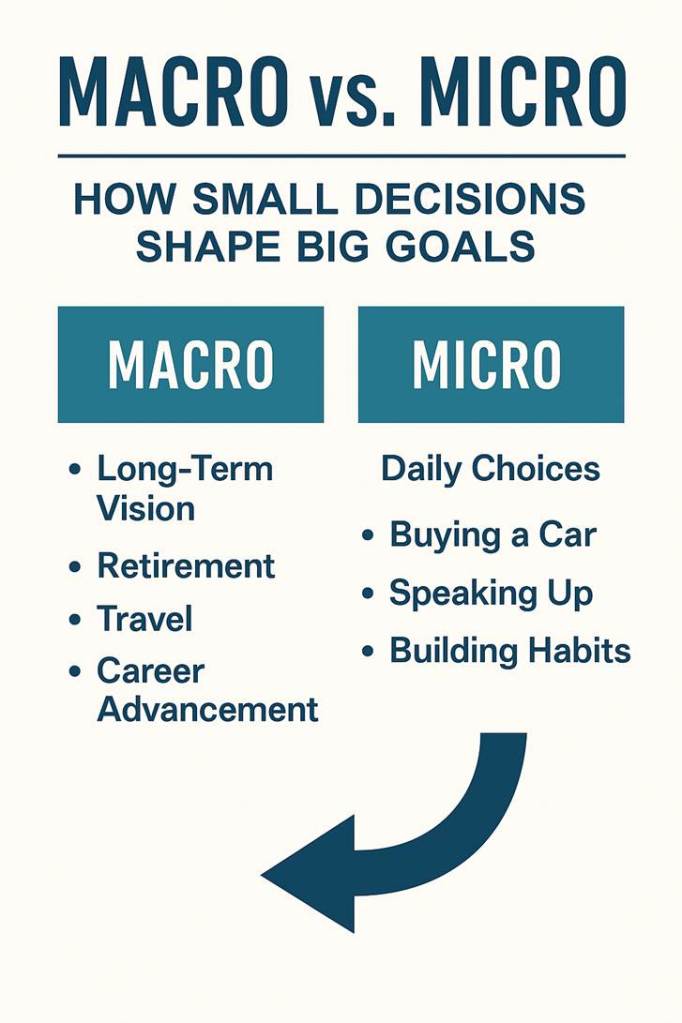
Well using those same burgers as an example… something has happened in this world. Company cultures and values are not fostered, or cultivated regularly, and so the cashier may enter no onion, but the worker says oh, not my job, or I don’t get paid enough, or I just don’t care, and they leave the onion on… well if the customer doesn’t like onion, and this happens a lot… they are going to take their business elsewhere and that place gets a reputation for bad quality and experience, now over time their profits go down and they have an even harder time. On the other hand, if you really like that your $15 burger has avocado and bacon and a really great bun… value wise you are more likely to go there, and maybe the service is good, so you have a great experience. You will hold that burger and that restaurant in high regard. The little things do matter towards achieving the big things. We need to help everyone understand the expectations, we need to hold them accountable to them, and as leaders don’t just call out when its not happening, we should offer training, lead by example, and build the culture. Help people become quality individuals. Some people by nature are good at certain things, but if someone is willing to be coachable, you can teach them almost anything when you connect. Great companies and cultures don’t happen by accident. They are fostered and cultivated by quality individuals willing to continue learning, share experiences, and lead others.

Its time for leaders to help their groups get out of the mud. Stop worrying so much about the #’s or which methodology you are following and learn actual agility. Learn and share how to embrace, accept, and move forward with change. Change Is not accepted easily, but helping people understand the goals, the expectations will get people on board. They will feel the energy and benefit. If you have people talking about gaps, or people issues, or other things on surveys, don’t just assume they know what needs to be done and just need to do it. Survey comments are a last cry out from a customer or associate before they take drastic action, and if they take it on your dime, it could be costlier than you think.

Invest the time, the money, and the energy and I promise Quality culture will not let you down.

Until Next time…